
 EN
EN
Custom Product Development: From Initial Concept to Production-Ready Design
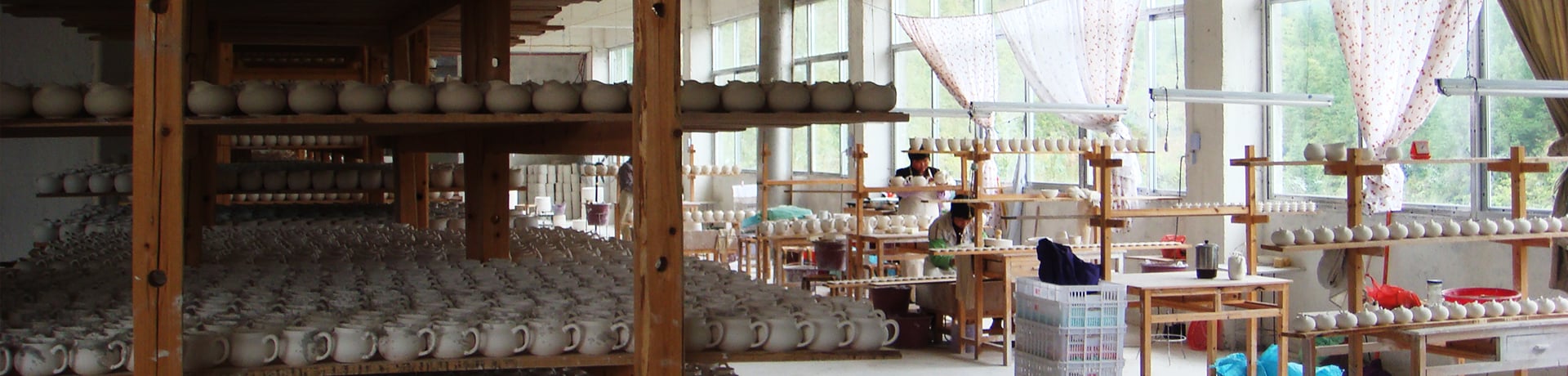
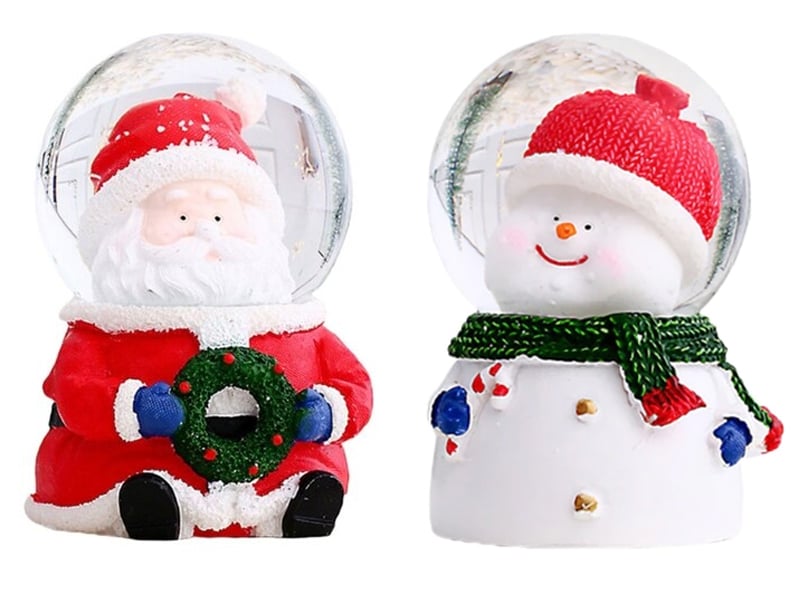
When it comes to the seasonal decor and home accessories industry, the B2B buyer is not going to find any competitive advantage in off-the-shelf products. Retailers want unique designs. Distributors require packaging and branding that appeals to their market. Importers need products to be of a certain safety and cost. So one of the most valuable skills that a manufacturing partner can bring to the table is the ability to develop custom products from a concept all the way to the production-ready product. Since 2007, our firm has been manufacturing Christmas/Halloween/Easter series, figurines, home decorations and mini models for customers from all over the world at our 8,401m² plant in Xiamen. This is how an organized custom development process can bring an idea to fruition and result in a product that is available for manufacture and market.
Concept Intake – Understanding the Brief Behind the Product
The process of custom development starts with a conversation – not a drawing. Prior to any design efforts, we meet with the buyer to discuss the commercial context: target market, retail price point, intended use, safety requirements and volume expectations. A Christmas Series ornament for a discount retailer will have a different cost/durability requirement from a Figurine for a specialty gift shop.
We gather anything the buyer can give us as reference when it comes to concept intake – sketches, mood boards, competitor samples, photos and even a rough description. These inputs are then translated into a design brief that includes dimensions, materials, finishes, color and functional requirements by our team. This brief is the first step in the process and is useful in setting expectations with the developer before any costs are incurred.
Design and Prototyping – Turning Ideas into Tangible Samples
When the brief has been agreed our design team turns the concept into a feasible product. This may include hand sculpting for Miniature/Model and Figurine products where form and proportion are imperative. CAD modelling and 3D printing speed up the process for simpler items, with the ability to rapidly test iterations before investing in tooling.
Potential problems come up early in the prototyping stage. The look of a design on screen can be hard to form, difficult to paint or fragile during transit. Each prototype is checked by our engineers to determine manufacturability: wall thickness, draft angles, undercuts, assembly sequence, surface finish. A sample of the product is sent to the buyer for evaluation of color, texture, weight and general appearance. Feedback is taken on board and the prototype is adapted until it fits the aesthetic and functional needs.
This is an iterative process and lowers risk. The product is not only tested for visual appearance, but production feasibility is also tested at the point of design approval.
Material Selection and Compliance – Meeting Market Requirements
The materials used will influence cost, durability, safety and compliance. Resin, ceramic, polyresin, and different plastics are the commonly used materials for Home Decoration and seasonal products; they have different properties. A resin figurine will provide fine detail and weight while a polyresin figure might be more affordable for more extensive orders.
The requirements for export markets are mandatory. Products can be subject to EN71 (Europe), ASTM F963 (USA), CPSIA or other regional standards, depending on the destination. We ensure that the materials and finishes selected meet these requirements and third party testing is coordinated as required. We take extra precaution measures for products that are made for children or have small parts to ensure that they are both safe and compliant with product safety regulations.
We can ensure compliance before the product is built, instead of after, which saves on the cost of redesign and delays in shipments. The documentation assures the buyers that the products comply with the regulations of their markets.
Production Transfer and Scale-Up – From Sample to Shipment
The last step is the implementation of the approved design into mass production. This includes the development of production tooling, completion of work instructions and operator training of the new product. Sometimes a pilot run is made to test the process and to see if there are any further problems before production starts in full scale.
We are careful to keep quality under close control, and production compared to the approved sample during scale up. Color consistency, dimensional accuracy and finish quality are checked. Any variations are corrected prior to the main production run. Once the process are stabilized, production increases until the desired volume and delivery date is reached.
In B2B sales, this is a necessary step in transferring the product to a buyer that the buyer approved in a sample to the container. It also offers a "proof of delivery" for reordering, which increases reorder speeds and predictability.
Conclusion – A Development Partner, Not Just a Supplier
Custom product development is a cooperative effort that involves design capabilities, manufacturing understanding, and structured project management. In this manner, manufacturers can offer custom made products that satisfy industrial, visual and regulatory specifications, by following a structured path from the concept intake, through prototyping, compliance and scale-up.
Since 2007, our company has been engaged in the development and production of seasonal decoration and home decoration products, and has developed into a factory with an annual production capacity of 8,401 m2 and 56 employees in Xiamen. We make products in Christmas Series, Halloween Series, Easter Series, Figurine, Home Decoration and Miniature/Model; we accept enquiries for B2B buyers who are looking for a development partner. Please talk to us today about your next custom product program.
Table of Contents
- Custom Product Development: From Initial Concept to Production-Ready Design
- Concept Intake – Understanding the Brief Behind the Product
- Design and Prototyping – Turning Ideas into Tangible Samples
- Material Selection and Compliance – Meeting Market Requirements
- Production Transfer and Scale-Up – From Sample to Shipment
- Conclusion – A Development Partner, Not Just a Supplier