
 EN
EN
OEM Customization vs. Standard Manufacturing: What Procurement Teams Should Know
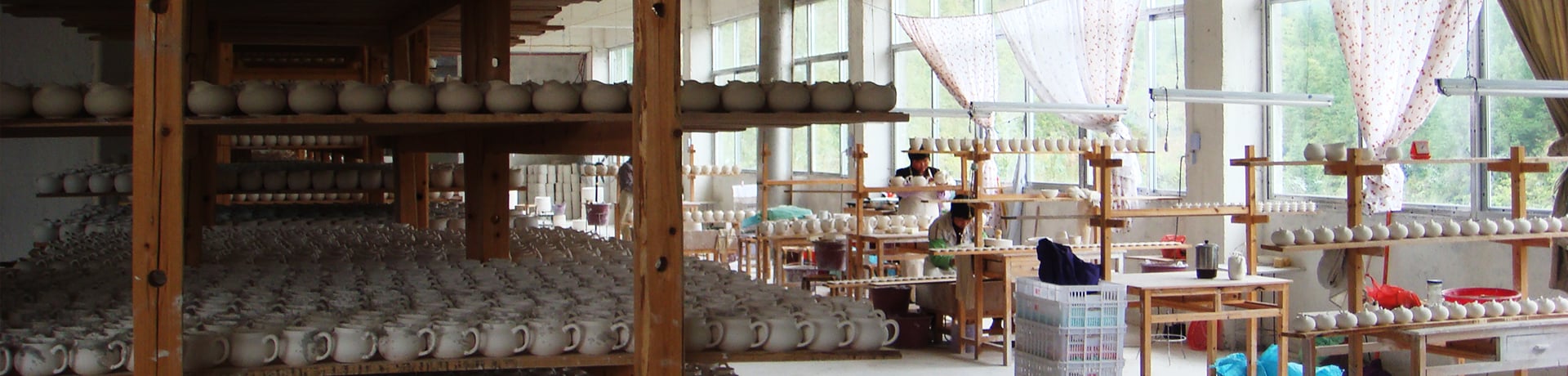
Whether you are a purchasing department for a seasonal decor or home accessories, you have to make a basic choice when making your sourcing decision, should you buy standard products from a supplier's catalogue or should you opt for OEM customization to get something that is genuinely unique? While both are acceptable, they have different business goals, and different risks. Our Christmas, Halloween and Easter series, figurines, home decorations and miniatures are all being produced since 2007 at our 8,401 m² plant in Xiamen, with B2B players at both ends of the business. These are some things that procurement teams should know before taking a path.
Standard Manufacturing – Speed, Cost, and Proven Reliability
Standard manufacturing involves buying products that are available in the supplier's catalog. The tooling is prepared, the production process is in place and parameters of quality are defined. This provides a number of benefits for procurement teams, such as reducing lead times, minimum order quantities, and ensuring consistent pricing.
With seasonal products, a Christmas Series, Halloween Series, Easter Series, or any other series, speed to market is key. An ecommerce retailer with a need to stock up for the holiday season doesn't have time for long development cycles. Standard products enable customers to order rapidly, sometimes without any lead time or even with a short production time. The risk is also reduced: the product has been produced previously, and there is less chance of quality problems occurring.
The compromise is differentiation. In the case of identical products being sold to all buyers, they become commodities. Margins are squeezed, and buyers are more interested in the price than the design. Discount retail, promotional offer, simple household decoration this is okay in some market segments. But for others, it's probably a bad business plan.
OEM Customisation – Differentiation, Exclusivity, and Brand Building
OEM customization gives the customer the opportunity to create a brand or sales channel specific product. This can be a new Figurine design, a new color scheme for a Home Decoration range or a branded package for a Miniature/Model product line. The main advantage is that the product is different: it is not directly comparable to a competitor's and the buyer can thus ask for higher margins and establish his brand identity.
Customization also allows for targeted market. Designs and packaging might need to be different if a European retailer wants a product that is culturally acceptable and a North American buyer is seeking a product with a particular safety standard or for a specific retail display. These requirements can be met through the OEM development and not sacrificed.
The risk of higher initial cost, longer time to market, and higher minimum order quantities. Tooling costs will need to be spread out over time, and samples and testing costs are normally paid by the buyer. In view of these factors, OEM customization should be reserved for products where there is a commercial need and enough volume to make the investment worthwhile.
The Hybrid Approach – Customising Standard Products
In reality, most procurement teams opt for a middle course of action and modify an existing standard product. This could be done by changing the color of a Christmas Series ornament, adding a logo to a Home Decoration item, or modifying the packaging of a Miniature/Model product.
The hybrid model has some of the advantages of both models. Since the core tooling and production process are already in place, it is a more economical and time-efficient process than full OEM development. But it still offers some level of differentiation and it's enough to set the product apart on the market without the expense of new tooling.
If you are a buyer who is not familiar with customization packages, or a buyer who is new to a market, the hybrid option can be the optimal start. It enables them to test the market prior to making big investments into OEM development.
Making the Decision – A Framework for Procurement Teams
The decision to manufacture standard or OEM is not just a yes/no option, it comes with a variety of factors depending on the product type, the target market, the volume, and the strategic goals. There is a framework to assist procurement teams to make an informed choice:
Choose standard manufacturing when: delivery time is important, quantities are relatively small and/or unknown, the product is commodity in nature, or the purchaser does not have design resources.
Choose OEM customisation when: differentiation is a must, margins are high enough to warrant the investment, volumes are adequate to justify tooling, and the Buyer has clear direction for the design.
Choose the hybrid approach when: the buyer desires some differentiation on the product but not full development costs; or the buyer is testing a new product concept.
The supplier's ability is more important than the model, no matter which direction you take. Any of these approaches can be done well by a manufacturer with a good design, tooling and quality control. A poor supplier will have trouble with all three.
Since 2007, our company has been engaged in manufacturing of seasonal home-furnishings and home-decor items in an 8,401 square meter plant in Xiamen with 56 staff members. We offer standard, hybrid and full OEM programs with a range of Christmas Series, Halloween Series, Easter Series, Figurine, Home Decoration and Miniature/Model product lines. Contact us today to talk about which is the right strategy for your procurement needs.
Table of Contents
- OEM Customization vs. Standard Manufacturing: What Procurement Teams Should Know
- Standard Manufacturing – Speed, Cost, and Proven Reliability
- OEM Customisation – Differentiation, Exclusivity, and Brand Building
- The Hybrid Approach – Customising Standard Products
- Making the Decision – A Framework for Procurement Teams