
 EN
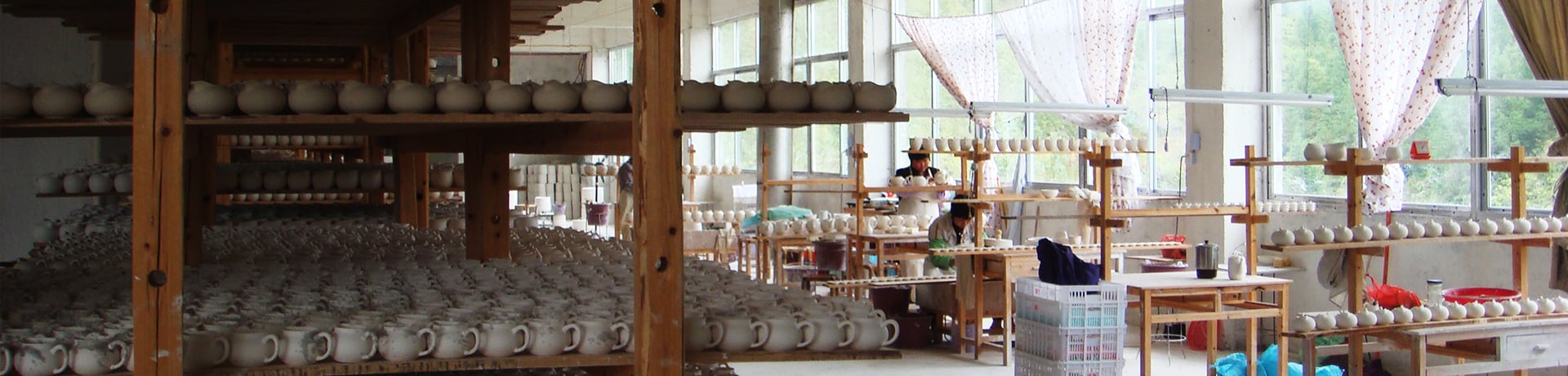

For the development of action figures, the prototype is much more than a sample or a first iteration: it is the blueprint that will influence all of the following production decisions. The prototyping phase is where the design intent, material behavior and feasibility of mass production meet for a manufacturer that operates in bisque, terracotta, resin, and ceramic. A good prototype reduces expensive tooling mistakes, maintains structural integrity and guarantees the final product looks just like the vision of the client. The following article is an explanation of the concept of prototyping and why it is the most influential factor in quality of mass production resin and ceramic figures, based on the real-world experience of resin and ceramic figure manufacturing.
The Prototype as the Bridge Between Design and Production
Each action figure starts out as an idea, typically a drawing, a 3D model, or a picture. The prototype is a physical representation of that concept that can be measured, tested, and improved. This is an important step for resin and ceramic crafts, since digital models do not always translate directly into physical materials. Resin is good at capturing intricate detail and complex shapes, ceramic is more demanding in the areas of shrinkage, wall thickness and firing behavior. A prototype shows how a design will work in actual materials, and uncovers problems that a rendering may not have uncovered. When a factory has more than 19 years of manufacturing experience and a team of professional product designers, graphic designers, 3D designers, and sculptors, the prototype becomes a collaborative tool. Each specialist contributes their expertise to produce a sample that is artistically faithful and ready for production.
Material Behavior and Structural Integrity
Delicate elements of action figures are often outstretched limbs, thin accessories, intricate facial expressions, and dynamic poses. These features can be reproduced in resin with high fidelity, but the prototype must be tested to ensure thin sections won't warp or break when removed from the mold. The same design may require different thicknesses in ceramic and must survive firing and glazing. Prototyping lets technicians determine the proper wall thickness, joint strength and surface finish before making molds. Whether you're decorating for holiday, making statues, bobbleheads, or bookends, the early validation of your design means that you won't be repeating any design flaws in a full production run. Good quality control starts with the prototype, not on the assembly line.
Tooling and Mold Decisions Depend on the Prototype
Molds are the basis of the mass production of resin and ceramic figures and molds are costly and time consuming to make. The design of the mold is based on the prototype, which involves the number of mold cavities, the placement of the gate, the placement of the draft angle, and the placement of the parting line. If a prototype shows the presence of an undercut or a detail that can not be reliably released from the mold, the geometry can be adjusted before tooling is started. This is particularly important for more complex shapes—such as architectural model figurines, fantasy terrain, and miniatures buildings—where small geometry changes have a big impact. A manufacturer is validating the prototype first to safeguard the client's finances and manufacturing schedule.
Surface Detail, Paint, and Finish Validation
Surface detail and paint quality of an action figure can make a huge difference. Prototypes are used to test color matching, shading, and coating adhesion to the actual material. Resin and ceramic will react to paint in different ways and a finish that shines well on a resin sample may need adjustments on ceramic – and vice versa. When it comes to seasonal items like Santa Claus figures and snow globes, nutcrackers, Halloween skulls and pumpkins, uniformity of color and clean details are crucial to earning brand trust. Prototyping sets the benchmark that the production team will adhere to, thus minimizing the difference between the production and the prototype.
Cost Control and Production Efficiency
Although a prototype can be an additional cost, it's possibly one of the best cost control mechanisms in manufacturing. It's much cheaper to catch a design mistake in the prototype stage than in the production stage, after molds have been made. Even a minor design mistake can be a huge loss of resources for a factory that produces more than 1.5 million items per month. Prototyping also improves production efficiency: once the sample is approved, production teams have clear specifications for assembly, packaging, and quality checks. This is how a professional customer service team can help keep the client up to date and assured of the process from sample approval to delivery for more than a decade.
Conclusion
Prototyping is the key that defines the quality of mass production; it's the point where design, material science and manufacturing reality converge. It provides validation of structural integrity, influences design of mold and tooling, establishes the surface finish standard, and prevents costs from spiraling out of control. When making action figures or decorative crafts in resin and ceramic, it is an economic mistake to skip or rush a prototype. The discipline of a prototyping process, combined with experience in product design, sculpting, and quality control, enables a manufacturer to provide consumers with consistent, high quality products in America, Europe, Australia, and around the world.