
 EN
EN
Key Manufacturing Capabilities Every B2B Buyer Should Verify
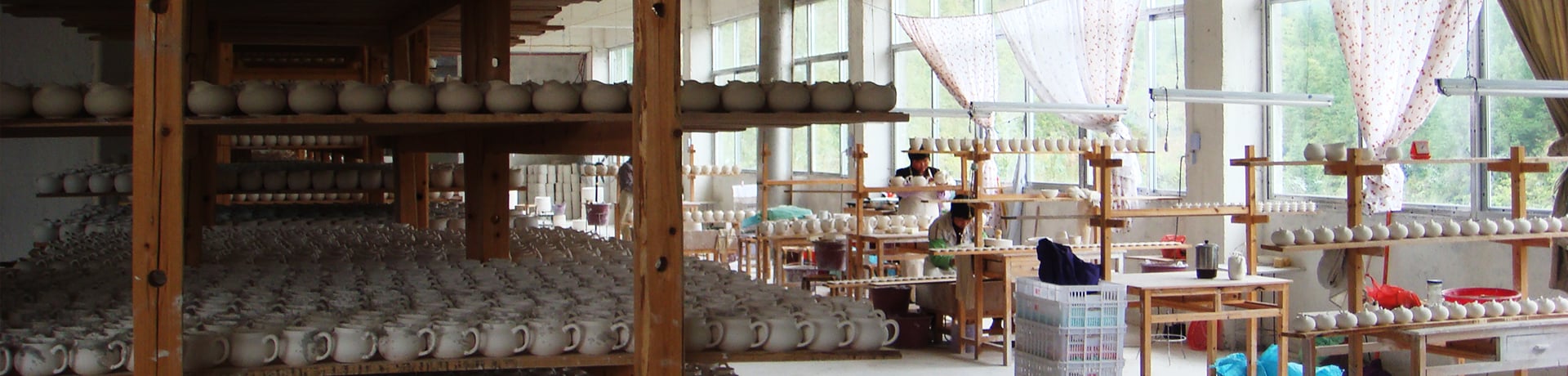
Product catalogues are only part of the story in B2B sourcing landscape. The key issue is if that supplier can supply the same quality, on time, in volume, year after year. When it comes to decor, it can be a lot more serious as well, Christmas delivery failure for buyers or batch of figurines with an inconsistent painted finish can spell lost sales and hurt retail relationships. With factory of 8,401㎡, 56 workers and shipping through Xiamen Port, our company started manufacturing decorative products since 2007. Using that experience, here are four manufacturing capabilities that should be checked by every B2B buyer before ordering.
In-House Production Depth – Know What Is Made and What Is Outsourced
The first, is the degree to which production is under the direct control of the supplier. Numerous trading companies market themselves as manufacturers, but in reality, they actually engage third-party workshops to produce most of the items. This results in quality variation, extended lead times and reduced accountability if problem does occur.
True manufacturer is able to explain in detail all the steps involved in their manufacturing which include mold making, casting or injection, painting, assembly and packaging. If you have special product line that comes and goes, such as Christmas Series, Halloween Series, Easter Series, then having facility that is able to produce a variety of different product lines within a single facility is an important benefit. It is a guarantee of uniformity of color, quality and logistics. For an audit of potential partner, request walk-through of their factory, or video tour. Check equipment and space available with production capacity stated.
Quality Control Systems – Consistency Across Every Batch
Seasonal ornaments and figures are aesthetically pleasing items. Slight off-color tint in paint, rough surface finish or even misaligned part can make the entire batch unsellable. That's why quality control systems are an essential ability to confirm.
Search for consistency and control throughout the process, incoming material, in process as paint and/or assembly is performed, and final before packing. Inquire about color consistency, if they actually have master samples for each product? How do they know the paint sticks to the surface and will last? Drop test, abrasion test on surface and color spectrophotometry are the common tests in well-equipped factory for Figurine and Home Decoration lines.
Find out defect rates and how they are recorded. A supplier that monitors and reports this information portrays culture of accountability, rather than just commitment to quality.
Customization and Sample Development – From Concept to Production
The capability to create custom designs is actually key for many B2B buyers. Retailers look for exclusive products, while the distributors require packaging which suits the specific local market requirements. A supplier's sample development ability, being able to quickly and accurately take concept, drawing or reference sample to production ready prototype, is good sign of overall manufacturing capabilities.
Main questions to ask: How much time does the sample take to develop? Is the sample made in-house or is it outsourced? How much will it cost, and will it be credit towards future orders? As detail and proportion are of major importance for Miniature/Model products, the importance of the sculptor and the mold-maker's skills becomes evident in the sample.
We also have sample development facilities which enable us to build prototypes within reasonable time frame which are of the same standard as mass production. This allows the buyer to know that the items they like in the sample are the ones they'd like in the final shipment.
Logistics, Compliance, and Export Readiness
Last but not least, check out the supplier's export and logistics ability. Even though the manufacturer makes great products, he may not be able to provide documentation and shipping experience.
The following should actually be checked: Does the company have registration and conform with export regulations? Are they able to share test reports for applicable markets (such as, EN71, ASTM, CPSIA)? What is their closest port and how does they actually package for ocean transport? Being close to Xiamen Port means we have convenient access to major shipping routes, while our export documentation process is actually well established, including certificates of origin, safety test reports, and customs declarations.
Also validate abilities for communication. As English is our accepted working language, there will be no doubt regarding the clarity and speed of communication from quoting to sampling, production updates and shipping confirmation throughout the order cycle.
Conclusion – Verify Before You Commit
Deciding on manufacturing partner for seasonal decor and home goods is one that can have an impact on your brand and bottom line. With production depth, QC, sample development and export readiness being verified you can minimize risk and create reliable supply chain.
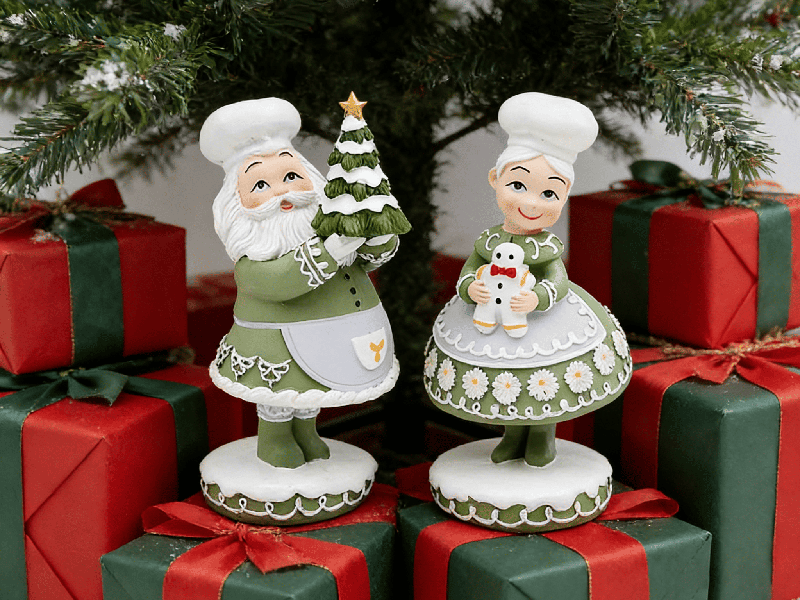
Established in 2007, our company has 56 workers and our office is located in Xiamen factory with an area of 8,401㎡. Merchandising products include Christmas Series, Halloween Series, Easter Series, Figurine, Home Decoration and Miniature/Model. We will accept sample requests and factory audits from serious B2B buyers. Get in touch today and let us know how our manufacturing solutions can help for your next programme.
Table of Contents
- Key Manufacturing Capabilities Every B2B Buyer Should Verify
- In-House Production Depth – Know What Is Made and What Is Outsourced
- Quality Control Systems – Consistency Across Every Batch
- Customization and Sample Development – From Concept to Production
- Logistics, Compliance, and Export Readiness
- Conclusion – Verify Before You Commit