
 EN
EN
OEM Adaptatio vs. Fabricatio Standardis: Quod Aequipes Procurationis Scire Debet
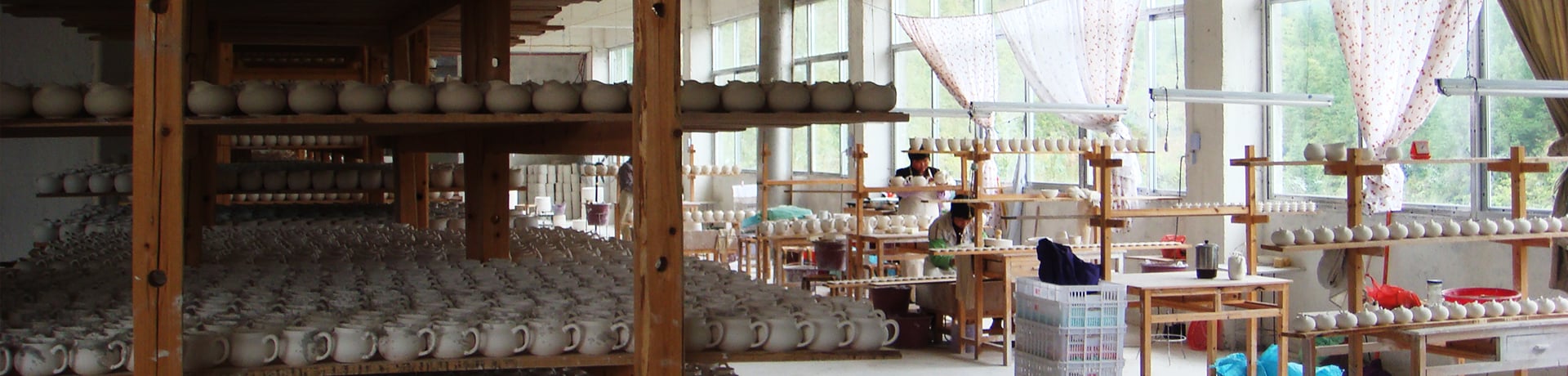
Whether you are a purchasing department for a seasonal decor or home accessories, you have to make a basic choice when making your sourcing decision: should you buy standard products from a supplier's catalogue or should you opt for OEM customization to get something that is genuinely unique? While both are acceptable, they have different business goals and different risks. Our Christmas, Halloween and Easter series, figurines, home decorations and miniatures are all being produced since 2007 at our 8,401 m² plant in Xiamen, with B2B players at both ends of the business. These are some things that procurement teams should know before taking a path.
Standard Manufacturing – Speed, Cost, and Proven Reliability
Fabricatio standardis implicat emptionem productorum quae in catalogo suppeditatoris reperiuntur. Instrumenta parantur, processus fabricandi statuitur, et parametri qualitatis definiti sunt. Haec multa beneficia praebet aequipamentis procurandi, ut tempus ducens minuatur, quantitates minimae ordinandae, et pretia constanter serventur.
Cum productis seasonalibus, a Series Nativitatis , Series Halloween, Series Paschalis , aut alia serie, celeritas ad mercatum est principalis. Mercator electronicus qui necesse habet ut pro tempore festivo instruat magazinum non habet tempus pro longis cyclis evolvendi. Producta standardia permittunt clientibus ut cito ordinent, interdum sine ullo tempore ducenti, aut etiam cum brevi tempore fabricandi. Periculum quoque minuitur: productum iam antea fabricatum est, et minor est probabilitas ut problemata qualitatis eveniant.
The compromise is differentiation. In the case of identical products being sold to all buyers, they become commodities. Margins are squeezed, and buyers are more interested in the price than the design. Discount retail, promotional offer, simple household decoration — this is okay in some market segments. But for others, it's probably a bad business plan.
OEM Customisation – Differentiation, Exclusivity, and Brand Building
OEM customization gives the customer the opportunity to create a brand or sales channel specific product. This can be a new Figura design, a new color scheme for a Decoratio Domus range or a branded package for a Miniatuarium\/Model product line. The main advantage is that the product is different: it is not directly comparable to a competitor's and the buyer can thus ask for higher margins and establish his brand identity.
Customization also allows for targeted market. Designs and packaging might need to be different if a European retailer wants a product that is culturally acceptable and a North American buyer is seeking a product with a particular safety standard or for a specific retail display. These requirements can be met through the OEM development and not sacrificed.
The risk of higher initial cost, longer time to market, and higher minimum order quantities. Tooling costs will need to be spread out over time, and samples and testing costs are normally paid by the buyer. In view of these factors, OEM customization should be reserved for products where there is a commercial need and enough volume to make the investment worthwhile.
The Hybrid Approach – Customising Standard Products
In reality, most procurement teams opt for a middle course of action and modify an existing standard product. This could be done by changing the color of a Series Nativitatis ornament, adding a logo to a Decoratio Domus item, or modifying the packaging of a Miniatuarium\/Model producto.
The hybrid model has some of the advantages of both models. Since the core tooling and production process are already in place, it is a more economical and time-efficient process than full OEM development. But it still offers some level of differentiation and it's enough to set the product apart on the market without the expense of new tooling.
If you are a buyer who is not familiar with customization packages, or a buyer who is new to a market, the hybrid option can be the optimal start. It enables them to test the market prior to making big investments into OEM development.
Making the Decision – A Framework for Procurement Teams
The decision to manufacture standard or OEM is not just a yes/no option, it comes with a variety of factors depending on the product type, the target market, the volume, and the strategic goals. There is a framework to assist procurement teams to make an informed choice:
Choose standard manufacturing when : delivery time is important, quantities are relatively small and/or unknown, the product is commodity in nature, or the purchaser does not have design resources.
Choose OEM customisation when : differentiation is a must, margins are high enough to warrant the investment, volumes are adequate to justify tooling, and the Buyer has clear direction for the design.
Choose the hybrid approach when : the buyer desires some differentiation on the product but not full development costs; or the buyer is testing a new product concept.
The supplier's ability is more important than the model, no matter which direction you take. Any of these approaches can be done well by a manufacturer with a good design, tooling and quality control. A poor supplier will have trouble with all three.
Ex anno 2007, nostra societas in fabricando ornamenti domesticis et rebus ad usum domesticum per tempus annum in planta 8 401 metrorum quadratorum in Xiamen cum 56 operariis versatur. Officimus programmate standard, hybridum et plenum OEM cum varietate Series Nataliciae, Series Halloween, Series Paschales, Figurinae, Ornamenta Domestica et Miniatuarium\/Model lineis productorum. Ad nos hodie scribite ut de optima strategia pro vestris necessitatibus emptionis agamus.
Index Rerum
- OEM Adaptatio vs. Fabricatio Standardis: Quod Aequipes Procurationis Scire Debet
- Standard Manufacturing – Speed, Cost, and Proven Reliability
- OEM Customisation – Differentiation, Exclusivity, and Brand Building
- The Hybrid Approach – Customising Standard Products
- Making the Decision – A Framework for Procurement Teams